Driven by national sustainability priorities, improving the energy efficiency of homes is no longer a niche issue. It is a major priority in the 2020s and beyond as Scotland works toward its net-zero goals.
Some of the most challenging properties to retrofit are the Georgian and Victorian tenements common to Edinburgh, Glasgow and other cities. Traditional sandstone, room proportions, age, outdated plumbing and listed status all raise the stakes.
Yet bold innovators and startups are creating technologies that tame humidity, electrical loads, damp-proofing and heat retention. Understanding the design philosophies behind these efforts helps owners see what is achievable—versus what remains aspirational.

What is the Passivhaus model?
The Passivhaus standard launched in 1994, championed by Germany's Passive House Institute as an internationally recognised, performance-based energy benchmark. In 2024 the Institute held its 26th annual conference with a heavy focus on renovation and retrofit.
The five basic principles remain the backbone of the approach:
- Superinsulation: minimises heat loss through floors, walls and ceilings.
- Airtight construction: airflow is regulated mechanically instead of by habitually opening windows.
- High-performance doors & windows: glazing must reduce unwanted heat transfer.
- Heat-recovery ventilation: exhaust air pre-warms the incoming supply.
- Elimination of thermal bridges: weak spots that bypass insulation are designed out.
While the movement is sometimes parodied for its most extreme creations (such as in the recent TV show The Curse) the aim is laudable: to reduce lost energy and boost sustainability while minimizing heating and ventilation costs.
Conference momentum
April 2024 saw retrofitting move centre stage for the Passive House Institute. That signals a future where more pre-1919 buildings are evaluated against Passivhaus performance metrics, even if the retrofit path is adapted.
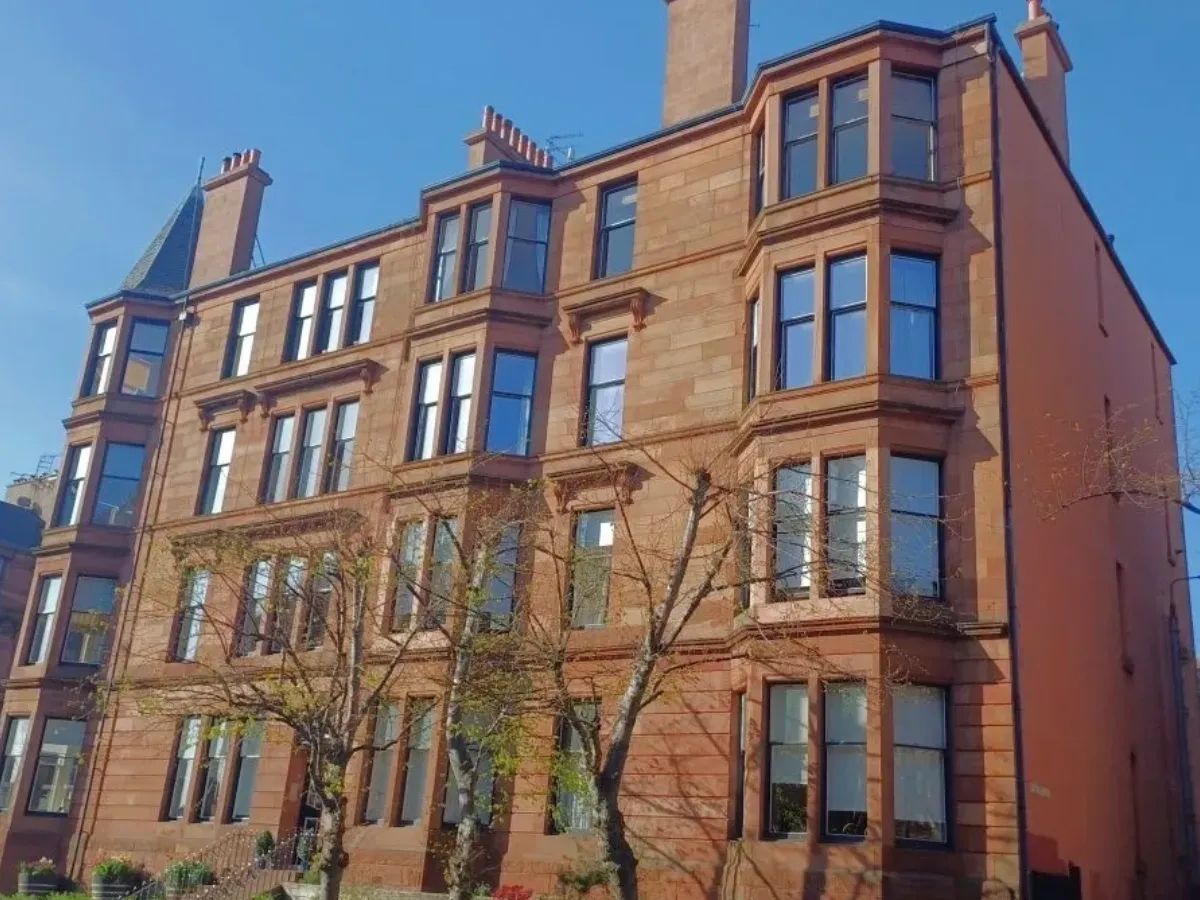
Why Passivhaus is tough for Scottish tenements
Meeting every Passivhaus requirement usually means interventions from the ground slab right up to the roof. That is a challenge for 18th and 19th century tenements with protected facades and interiors.
Replacing traditional sash-and-case windows demands listed building consent, detailed drawings and fees. Wall cavities are frequently absent, and communal closes plus shared entrances make airtightness difficult.
Many tenements rely on consensus among multiple owners and occupiers. Convincing every household to accept intrusive upgrades—and to change habits like opening windows for air—can be an even bigger hurdle than the construction work.
The UK Passivhaus Trust recognises these realities and has developed a retrofit-specific standard: EnerPhit.
What is EnerPhit and how does it relate?
Scottish Government analysis estimates tenement homes emit around 5.6 tonnes of carbon per year in lost heat, compared with 3.6 tonnes for homes built after 1982. That 35% gap underscores why retrofits matter.
EnerPhit, introduced by Passivhaus, adapts performance expectations for existing buildings by recognising constraints in orientation, structure and glazing. Yet it is still demanding: EnerPhit aims for 20–30 kWh/m2 annual heating demand, versus 120 kWh/m2 in non-retrofitted tenements.
By comparison, new Passivhaus builds target around 15 kWh/m2. The Passivhaus Trust outlines several methodologies—full renovation when the building is vacated, or phased upgrades that move owners toward EnerPhit over a longer period.
Where occupants remain in place, a step-by-step programme is often the pragmatic route: prioritise airtightness, ventilation and insulation upgrades that deliver measurable gains at each stage.
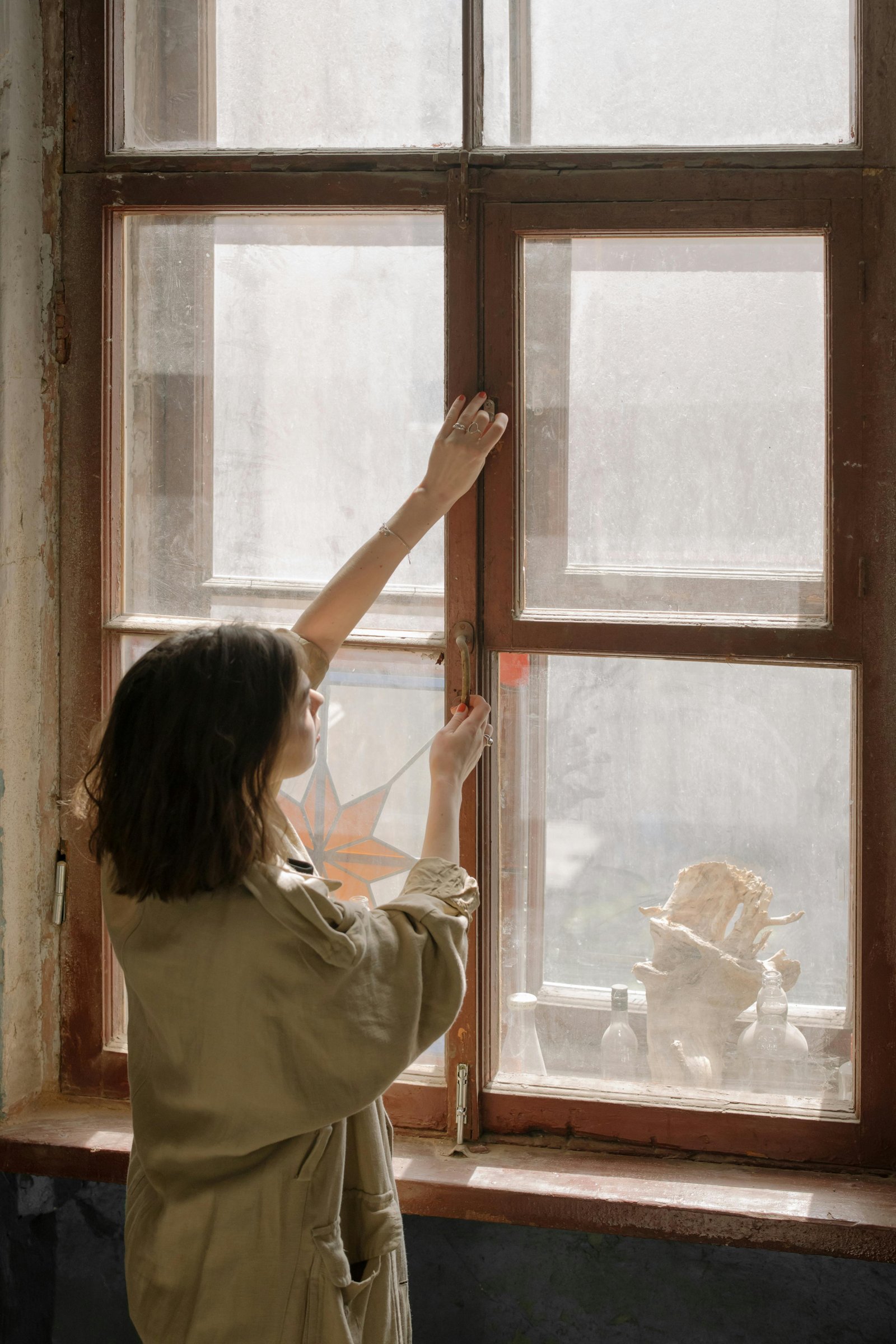
EnerPhit does not magically erase the complexities of historic sandstone blocks, but it offers a framework that values incremental improvement. Owners can focus on airtightness, ventilation, windows or insulation in line with budgets and consent limits, tracking how each step reduces heat losses.
Need support?Check out the full set of EnerPhit criteria
Aligning tenement retrofit projects with recognised standards helps attract funding, win resident buy-in and give contractors clear performance targets. The EnerPhit documentation is the best starting point.
“Retrofit is marathon work. EnerPhit breaks it into measurable stages so owners can keep moving forward, even in occupied, heritage buildings.”
— Passivhaus Trust primer
IMAGE CREDITS: Banner image by PropEco, townhouse solar array image by Unsplash contributors.
Ready to try 7days?
Find out how to minimise your
maintenance hassles and start saving: