Your Mind’s in the Gutter? Keep It There.
Why proactive gutter and downpipe maintenance saves Scottish property owners thousands
Water ingress — in plain English, leaks — is one of the most expensive and disruptive problems facing property owners. According to insurers, more than 40% of maintenance issues in blocks of flats are caused by escape of water.
In Scotland’s Central Belt, with around 190 rainy days per year, drainage performance isn’t just a convenience issue — it’s critical building protection. Climate projections also suggest winter rainfall could increase by up to 11% by 2050.
While tenants often notice leaking pipes or appliances, the biggest financial headache for owners and property factors usually comes from one simple source:
Gutters and downpipes
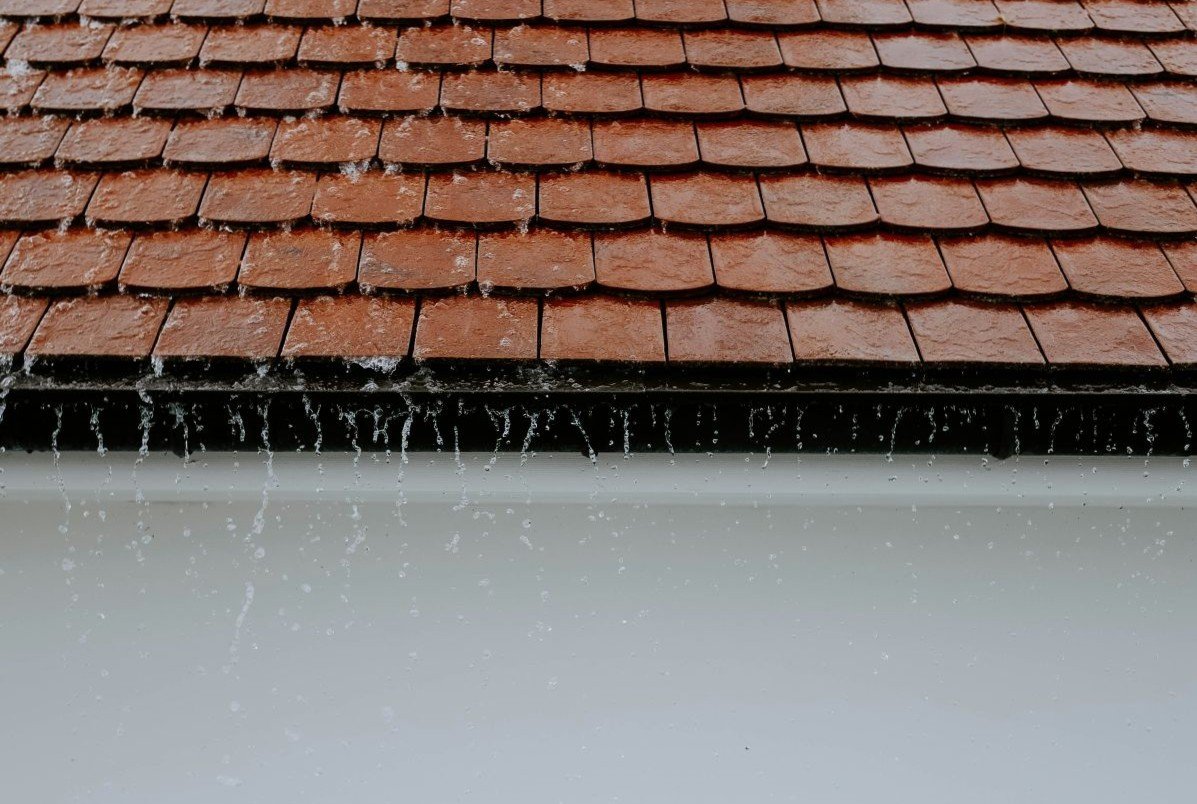
Who is responsible for drainage maintenance?
Gutters and downpipes are not maintained by councils or water companies while they remain within private property boundaries. Responsibility only transfers once drains connect to public infrastructure.
This means owners and property factors remain legally responsible for maintaining these critical systems.
In general terms:
- Private responsibility: Items serving one flat or house
- Mutual responsibility: Shared pipes serving two adjoining properties
- Common responsibility: Main roof gutters, primary downpipes and tenement stacks
- Local authority: Road gullies and surface water drains
- Scottish Water: Public sewers and adopted drainage systems
A drain on resources
The Scottish House Condition Survey found that 13% of homes suffer gutter or downpipe disrepair, making it one of the most common building maintenance issues nationwide.
Meanwhile insurers report paying out approximately:
- £1.8 million per day in water damage claims
- £4.1 billion in 2024 alone
That’s not a trickle — it’s a flood.
Responsibility for drainage can be complex. The table below shows how ownership usually works depending on pipe location and function.
What happens when gutters aren’t maintained?
Regular cleaning and inspection may not be glamorous, but it prevents serious structural damage.
- Persistent leaks and gutter failure
- Water running down walls causing dampness
- Stone erosion and masonry joint failure
- Wet rot in timber joinery
- Mould, moss and hygiene issues
- External drain blockages
- Insurance claim exposure
Reactive repairs almost always cost more than planned maintenance.
How expensive can repairs become?
Costs vary, but typical ranges include:
- Minor gutter repairs: £200 – £1,000
- Moderate repairs with access: £1,000 – £7,000
- Major multi-flat projects: £20,000 – £100,000+
Scheduling inspections and maintenance can reduce emergency costs dramatically.
Historic buildings, modern drainage problems
Many Scottish tenements still rely on late 19th and early 20th century cast and wrought iron systems.
These materials:
- Expand and contract seasonally
- Crack and leak at joints
- Pull away from masonry over time
While visually attractive, their drainage performance can often fall short of modern standards. Regular checks can at least mitigate against blockage and obvious defects.
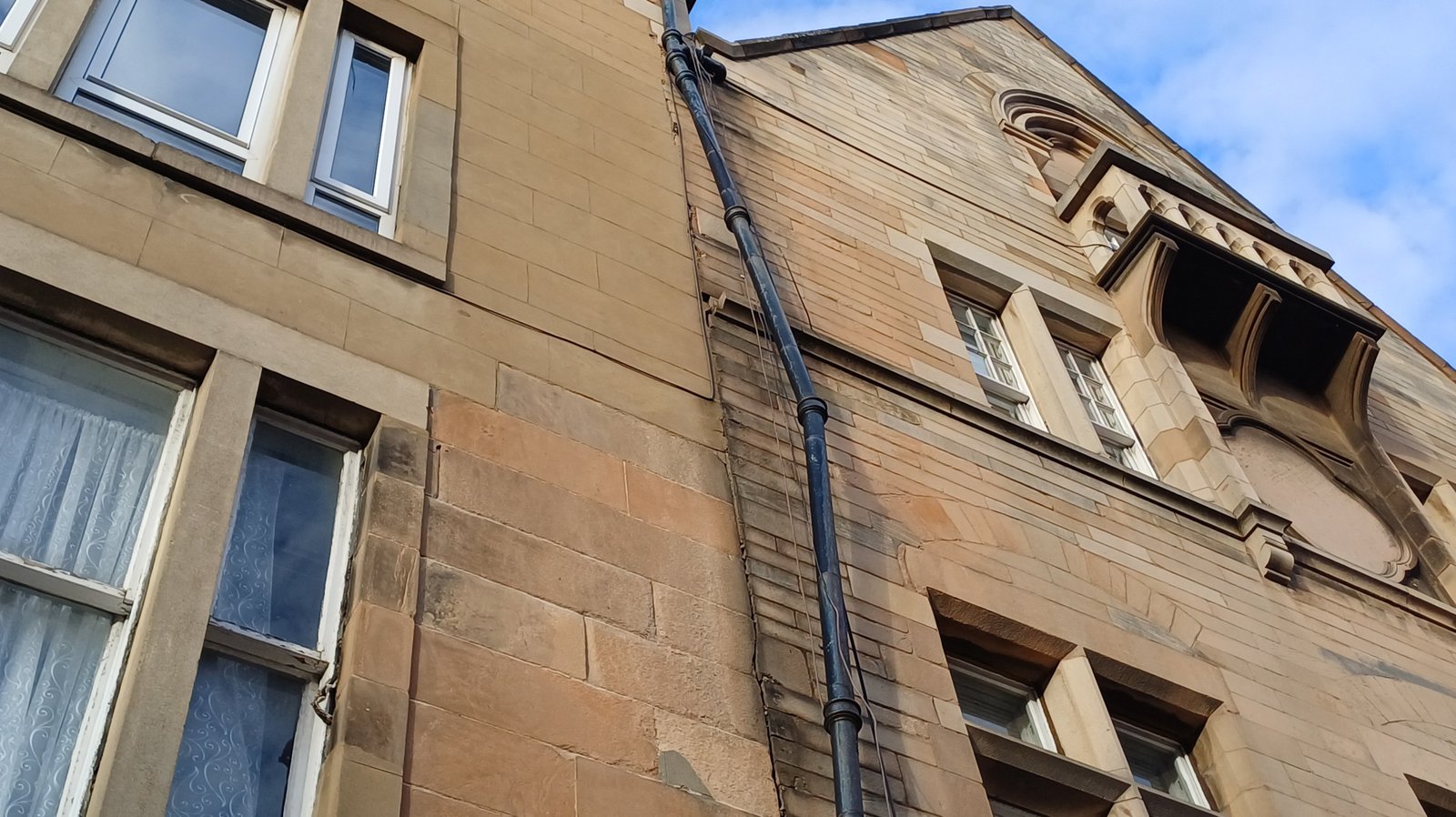
There's no reason that heritage pipework and guttering can't do a good job, but it does need professional appraisal and maintenance to help keep tenement buildings dry and mould-free, and stop stonework degradation. With the current contraction of related trades capacity, a yearly maintenance plan is a key element in preserving your property's value.
Coming next:Sustainable Drainage Solutions (SuDS)
In Part 2 we’ll explore sustainable drainage options, modern downpipe alternatives and practical maintenance strategies that property managers can use to reduce water ingress risk and long-term repair costs.
Read Part 2"All of us are in the gutter, but some of us are looking at long-term drainage maintenance contracts."
— Oscar Wilde (slightly paraphrased)
IMAGE CREDITS: Banner image by Adrien Olichon on Unsplash, Rainy roof tiles by Oleksii Piekhov on Unsplash
Ready to try 7days?
Find out how to minimise your
maintenance hassles and start saving: