For Spurtle readers
Streets that James Craig laid out in 1767 are still standing on the goodwill of the owners who maintain them today.
The New Town's Georgian terraces and Broughton's Victorian tenements are two of Edinburgh's most recognisable streetscapes, and also two of its most quietly demanding. The heritage sash windows, wrought-iron railings and sandstone facades make this part of the city worth a UNESCO listing, but behind the scenes lies an ordinary fact of tenement life: someone has to keep the roof, the stonework and the common stair in good order, and in a shared building that only happens when owners act together.
A conservation area, not just an address
Edinburgh's New Town has been a UNESCO World Heritage Site since 1995, and the majority of its tenements and townhouses carry Category A listed status. Broughton, just beyond the New Town's formal boundary, has its own mix of B and C listed Victorian tenements and sits within a conservation area of its own.
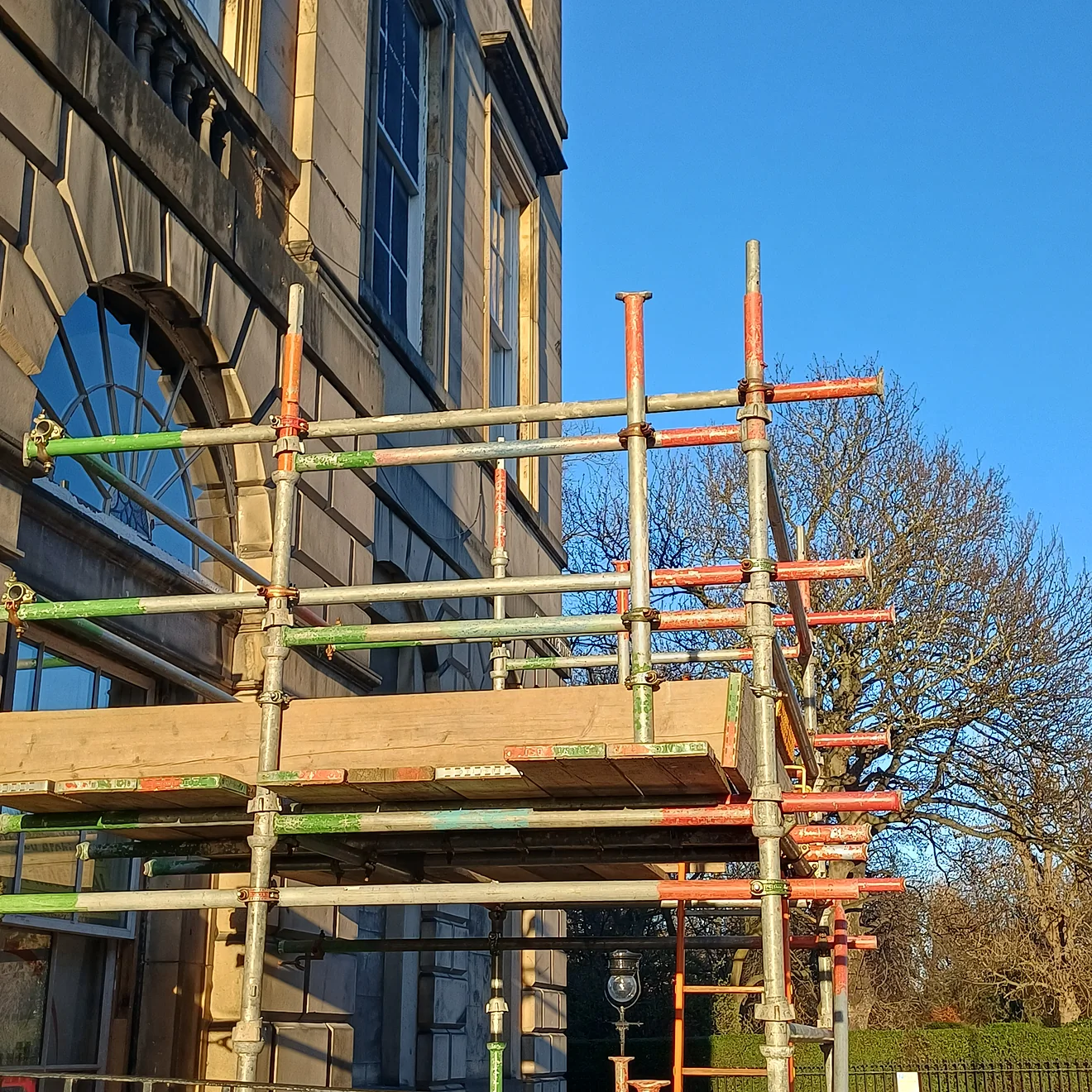
In practice, that means routine jobs elsewhere, like replacing a window, re-roofing a section, repointing a gable, often need listed building consent or fall under an Article 4 Direction restricting what can be done without planning permission. Materials have to match. Contractors need to know lime mortar from cement. None of this is unusual for the area, but it does mean maintenance here takes a bit more planning than a standard tenement repair.
Why proactive maintenance matters more here
Stone, lead and timber fail slowly and then all at once. A slipped slate or a blocked gutter that goes unnoticed for a couple of winters can turn into saturated stonework, and saturated stonework in a Georgian or Victorian tenement is rarely a cheap fix. Waiting for something to become obviously urgent almost always costs more than catching it early; in scaffolding, in specialist labour, and in disruption to a building where every owner has to agree before work starts.
A planned, cyclical approach — regular stair and roofspace inspections, a rolling schedule of gutter and downpipe checks, a maintenance plan owners can actually see — can turn unpredictable five-figure surprises into budgeted, manageable work. It also matters for insurance: an unmanaged building with a history of unaddressed defects is a harder, more expensive risk to place cover on than one with a documented maintenance record.
World Heritage Site status since 1995, built to James Craig's 1767 plan.
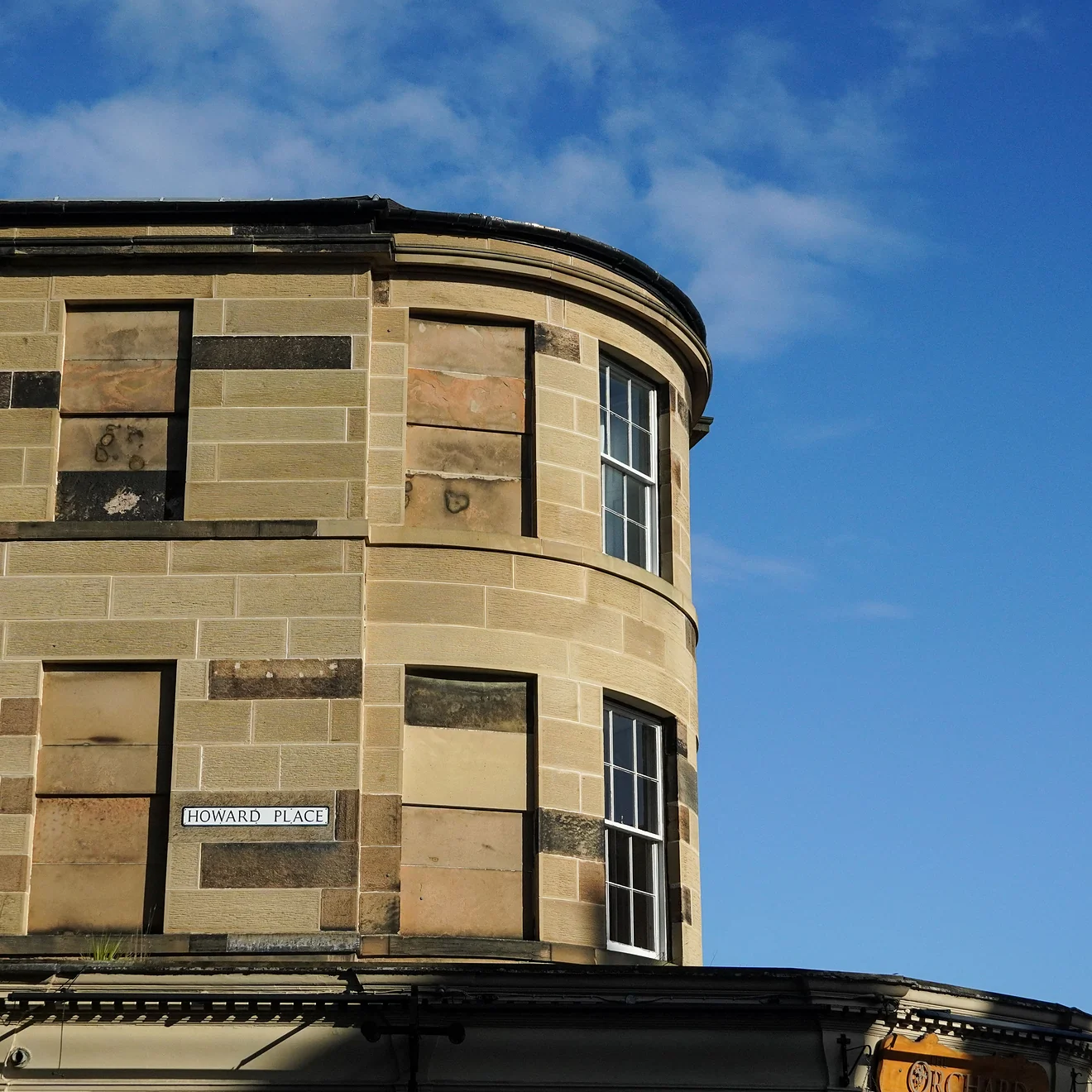
Broughton's tenements are typically Category B or C listed.
Consent and compatible materials matter as much as the repair itself.
Takeaway
Small and steady beats big and sudden
A tenement that's inspected every year rarely needs the kind of emergency common repair that splits a stair down the middle. Proactive maintenance is what keeps New Town and Broughton buildings standing, and keeps bills predictable.
The pain points we hear most from shared owners
Living in a shared tenement in this part of Edinburgh brings a familiar set of frustrations, whatever your factor:
• Getting every owner — including absent landlords and commercial unit owners — to agree to and pay for common repairs
• Common charges that feel opaque, historic, or just hard to query
• Repairs that stall because consensus, quotes or conservation-area paperwork haven't been chased
• Scaffolding sitting on narrow New Town streets for longer than it needs to, because nobody is actively project-managing the job
• Little visibility into what your factor is actually doing with your money between invoices
How 7days.property can help
Our approach is designed to keep your tenement in good order, and your shared costs as low as possible, by combining proactive maintenance with clear communication and a focus on consensus. That means:
- Gathering information and agreement from a high percentage of residents.
- Proactive site inspections rather than waiting for a complaint.
- Clear common charge statements through an online owner portal.
- Understanding of retrofit potential in listed and conservation-area buildings.
- Helping residents understand the long-term cost implications of their decisions.
For listed and conservation-area buildings specifically, that also means working with contractors who understand traditional materials and helping owners navigate listed building consent. We work with our trusted survey partners to get a current reinstatement cost assessment (RCA) for your building, benchmark your insurance premium against fair market rates, and thoroughly review any major works.
Two costs almost every block can improve
Building insurance. Communal insurance is a legal requirement, but many blocks are still insured against a reinstatement cost assessment that hasn't been reviewed in years. This usually means either overpaying, or worse, being underinsured against today's rebuild costs. We work with insurance partners to get a current RCA and benchmark your premium against fair market rates.
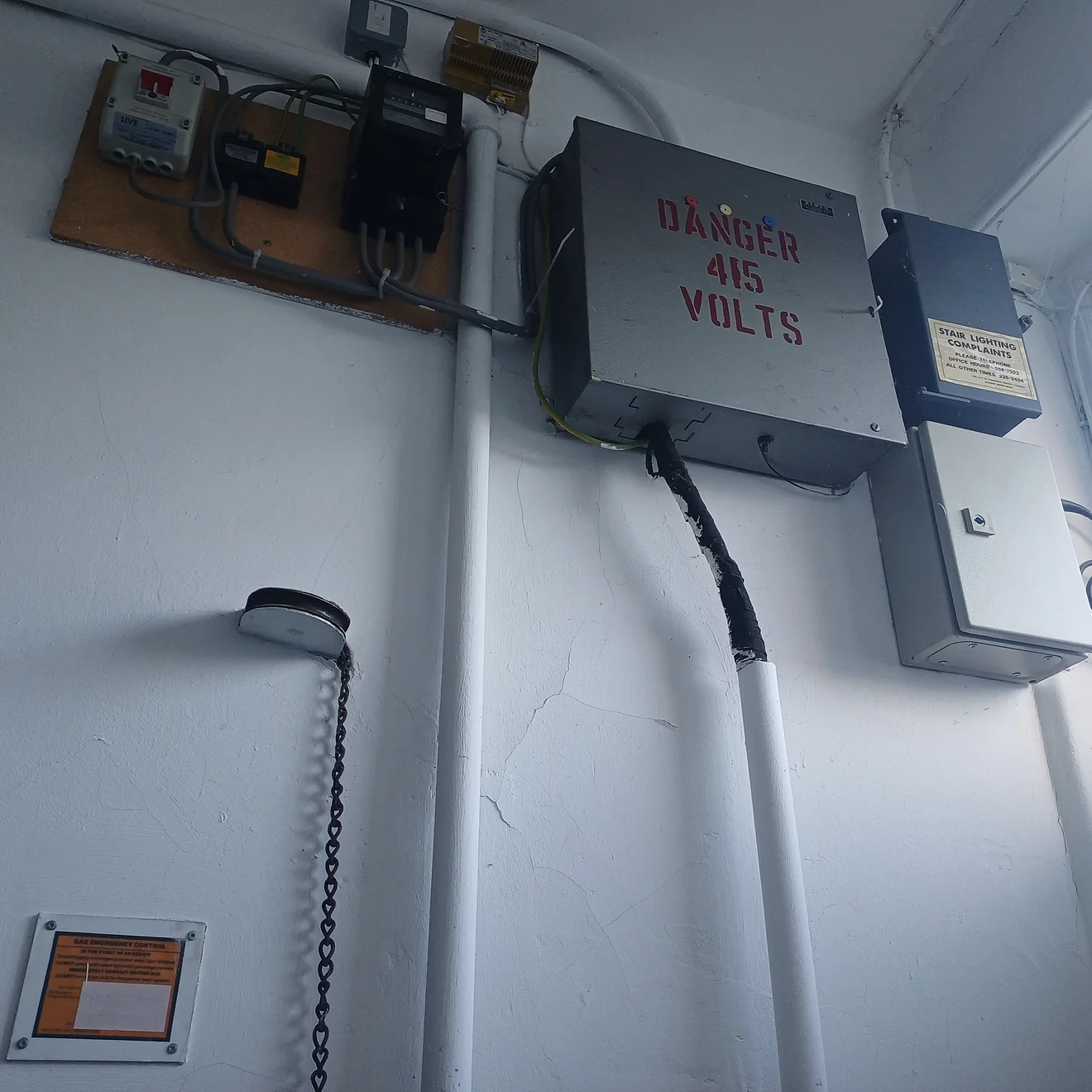
Shared utilities. Communal electricity for stair lighting, entry systems and any shared plant is easy for a large provider to miscalculate or overcharge on a multi-unit account, and easy for owners to never think to query. We audit existing utility accounts, look for billing errors, and renegotiate where a better rate is available.
Neither of these requires switching factor first — a free review of your current insurance and utility arrangements is a reasonable place to start, whoever manages your building today.